Light Layer
Warm dim tones, reduced blue wavelengths, and progressive dimming create a visual transition toward rest.
Learn moreA calm, atmospheric approach to preparing your room for rest. Explore light, sound, and habit layers that transition your space from active day to quiet night.
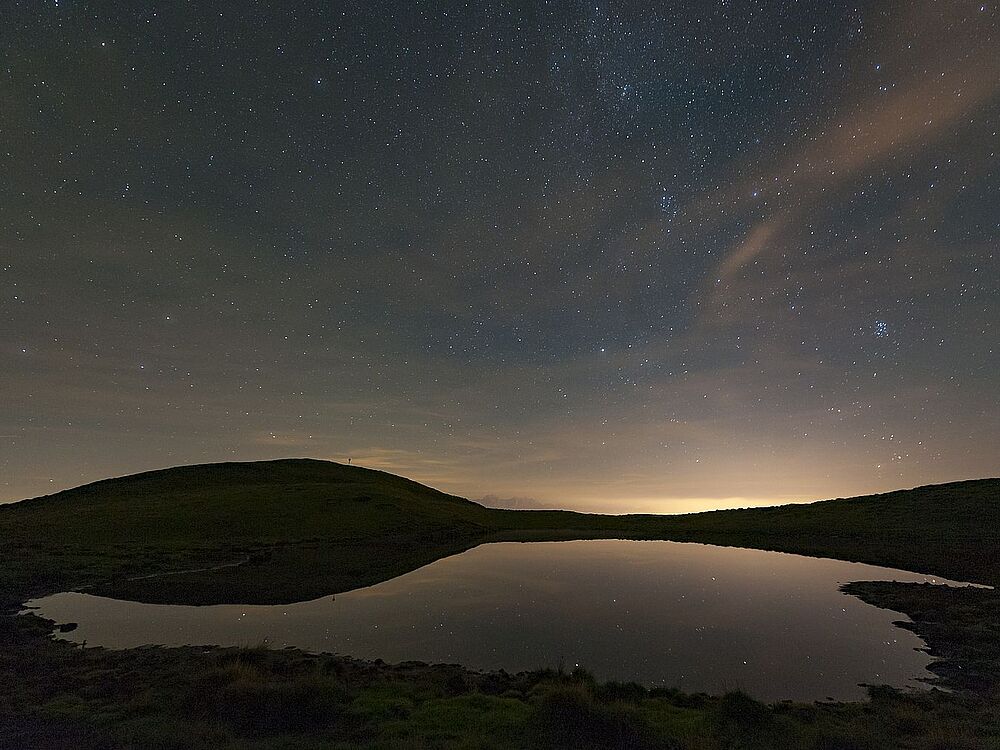
Your room is not a checklist. It is a layered space that responds to time, light, and sound — gradually settling into calm as evening approaches.
Each layer contributes to the overall atmosphere of your night space. Together they can help create a calm, intentional setting.
Warm dim tones, reduced blue wavelengths, and progressive dimming create a visual transition toward rest.
Learn moreAmbient noise management and acoustic comfort reduce environmental disturbances during the evening hours.
Learn moreEvening behavioral patterns that can signal to your space that the day is winding down.
Learn more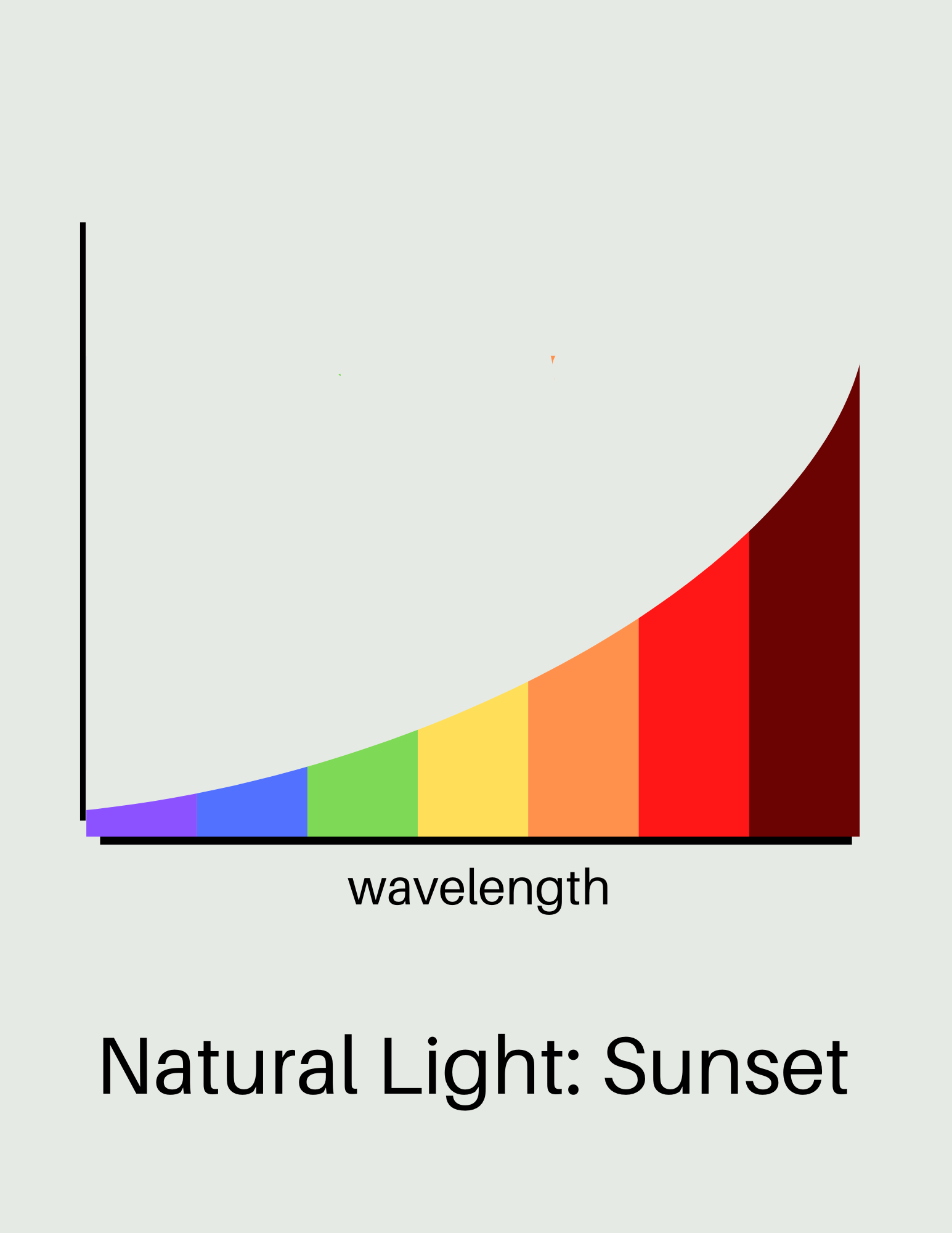
As you move through our educational content, the interface itself mirrors the transition — brightness fades, motion slows, and focus softens.
A gentle sequence for understanding and applying environment principles in your own space.
Observe current light sources, ambient noise levels, and evening activity patterns in your room without judgment, at your own pace.
Begin with a single environment zone — perhaps dimming overhead lights or introducing softer ambient sound.
Pair environmental changes with simple evening rituals that reinforce the transition from day to night.
Allow your space to reach its quietest state — a controlled, atmospheric environment ready for rest.
All materials provide general information about environment design. We do not make promises about outcomes, offer clinical guidance, or sell therapeutic products. Individual results vary.
We believe a room can feel like it is gradually preparing itself — quiet, dim, and calm.
There are no routines to track, no scores to maintain, and no aggressive optimization language. Just calm exploration.
Based in Punakaiki, New Zealand, we draw inspiration from natural rhythms of light and quiet found in our coastal environment.
Discover how light, sound, and evening habits may help shape a calmer room atmosphere. Reach out with general questions or explore our educational content.